
Erosion of Streetscape Character
A 58% Net Loss: What Six Local Developments Reveal
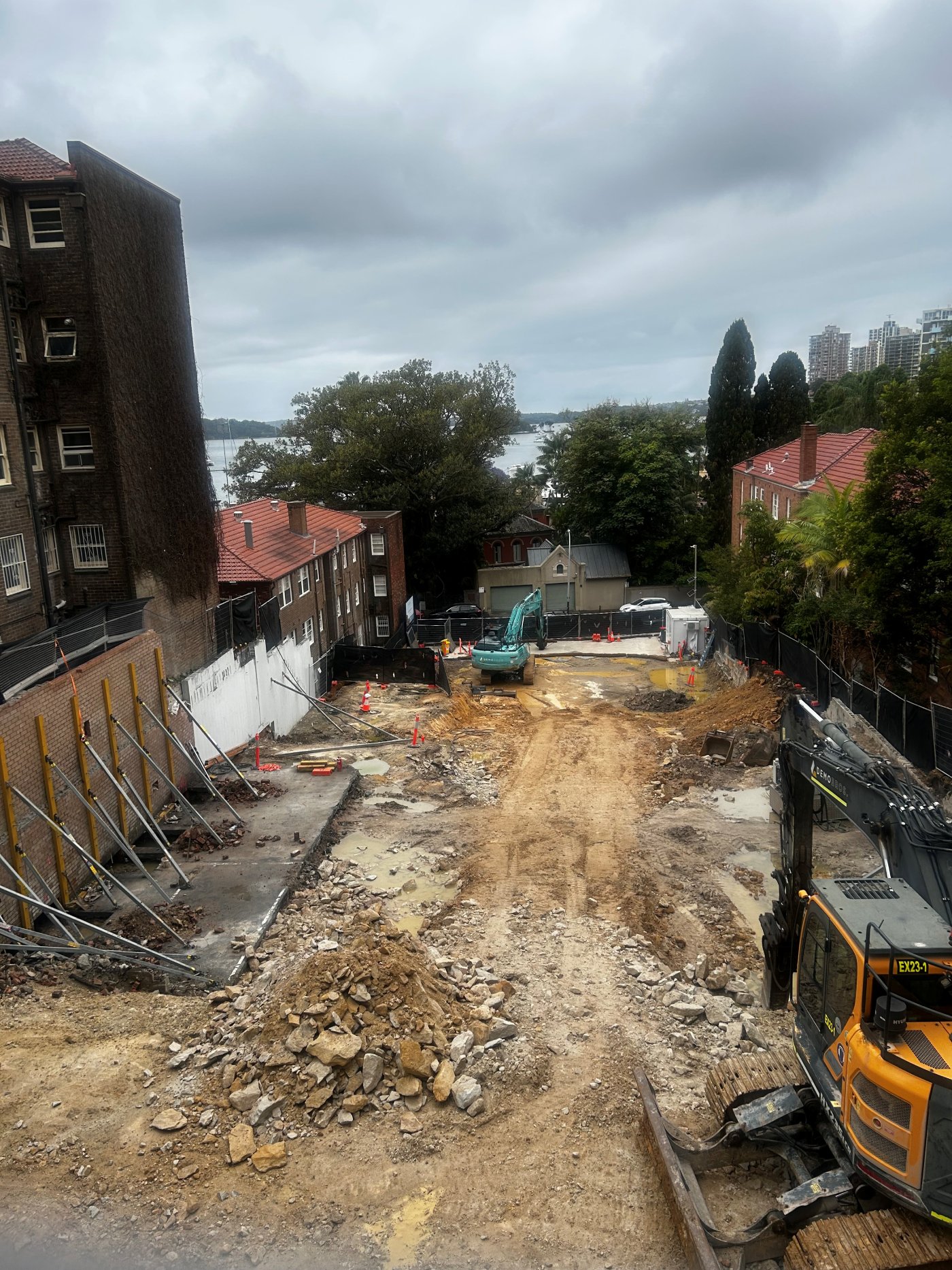
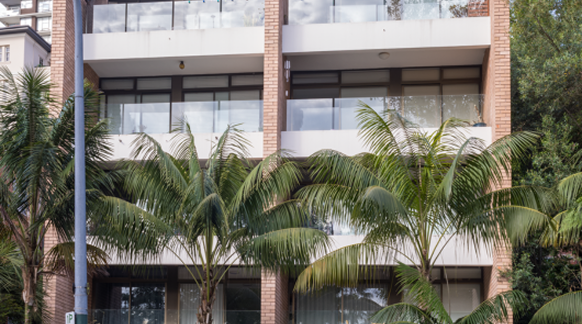
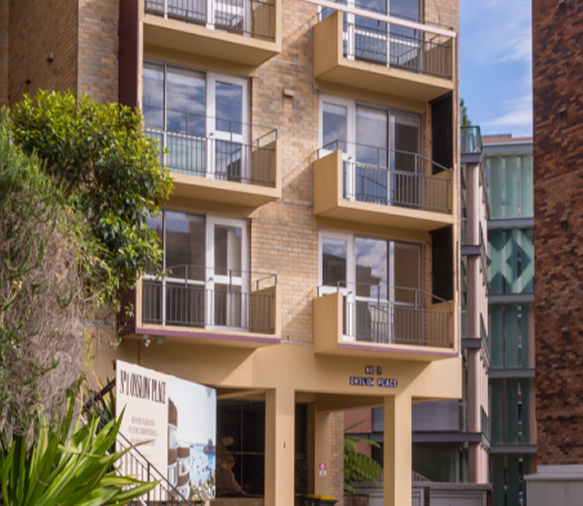
In the heart of Potts Point, Elizabeth Bay, and Rushcutters Bay, the numbers are stark: six current or proposed residential redevelopments will reduce 209 existing apartments to just 85. That’s a 58% average loss in housing stock. But the story gets worse.
Gone in the process are 163 studio and one-bedroom apartments — the types of homes that have long provided affordable housing for singles, essential workers, older residents, students, and those on lower incomes. In every case, the new developments offer zero studio or one-bedroom units.
This isn’t just about gentrification — it’s about displacement. It’s about the systematic erasure of the compact, character-rich, and economically diverse community that defines our neighbourhood.
A Template at Risk
Potts Point and Elizabeth Bay are celebrated as a model for high-density, low-rise urban living — walkable, connected, and community-focused. For decades, Art Deco and mid-century modern apartment blocks have quietly delivered affordable homes close to the city. But without stronger heritage protections or planning guidelines that prioritise housing diversity, these buildings are being targeted for high-end redevelopment.
The result? Larger, more expensive apartments that cater only to a narrow demographic — often wealthy investors or part-time residents — while pushing out the people who live and work in this community every day.
This Isn’t Just Housing — It’s Social Infrastructure
Affordable apartments are the backbone of a functioning inner-city neighbourhood. They allow for a mix of ages, incomes, and lifestyles. They support local businesses, arts venues, hospitality, healthcare, and public services. They keep communities vibrant, resilient, and real.
What we’re seeing now is a quiet collapse of that system — one building, one DA at a time.
What Can Be Done
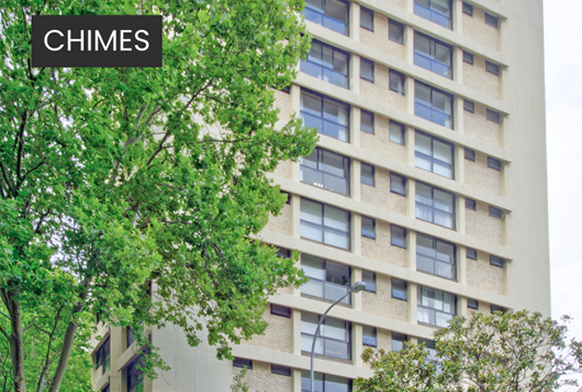
- Stronger protections for 20th-century apartment buildings that reflect their social and architectural significance.
- Planning controls that require a minimum percentage of studio and one-bedroom apartments in all redevelopments.
- Community-led advocacy to ensure local voices are heard in development proposals and planning decisions.